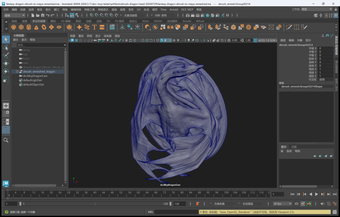
Maya MCP Bridge for LLM-driven scene authoring and automation workflows
dcc-mcp-maya, from Dcc Mcp, is an MCP server implementation that turns Autodesk Maya into a platform for LLM-driven scene inspection and editing. The tool executes Python and MEL commands, exposes structured scene queries, and returns visual snapshots so agents can verify edits. It validates inputs with typed schemas, supports GUI and headless mayapy sessions, and targets technical artists and pipeline developers automating complex production workflows.
What tasks can you actually use it for inside Maya?
The tool turns Maya operations into callable MCP tools so an LLM can inspect scene hierarchy, query node attributes, create geometry, modify materials, and trigger animation edits. It executes Python and MEL inside a running Maya session, and it produces structured JSON responses an external agent can parse. Typical outputs are scripted scene changes and machine-readable results that integrate into downstream automation steps.
How reliable and safe are the tool's automated changes?
The tool enforces input validation with JSON Schema for all Maya tool inputs, constraining commands to typed parameters and reducing malformed requests. Progressive skill loading keeps the agent's active toolset small, limiting accidental broad access. The server implements a standards-compliant MCP Streamable HTTP backend, which produces predictable request/response behavior teams can audit and incorporate into existing verification pipelines.
What inputs and environment does it require?
The tool requires a running Autodesk Maya session for interactive use and supports headless mayapy for batch processing, covering both GUI and automated servers. Integration depends on an MCP-compliant host such as Claude Desktop, Cursor, or a custom Anthropic API client; for example, Claude Desktop needs the server URL added to claude_desktop_config.json under the mcpServers section. Teams must supply Maya and network access for the HTTP endpoint.
Is it practical to adopt in production pipelines?
The tool replaces brittle ad-hoc scripting with typed, discoverable tools, which helps standardize agent-driven scene edits across teams. The skills-first philosophy requires authors to package and maintain skill modules, so pipeline owners should plan for ongoing skill maintenance and version control. The project is well-regarded within the niche AI-assisted 3D development community, indicating fit for studios already experimenting with agent-based automation.
Final assessment: a pragmatic choice for studios exploring agent-driven scripting
The tool is a pragmatic option for technical artists and pipeline developers pursuing AI-assisted scene automation, supported by positive niche reception. Teams adopting it should establish governance, test suites, and manual verification checkpoints to keep generated edits auditable, and use continuous integration pipelines where possible. Treat the tool as an augmentation layer alongside human review rather than a replacement for existing asset control processes.